


sản phẩm
- THÔNG SỐ KỸ THUẬT
- LIÊN HỆ VỚI CHÚNG TÔI
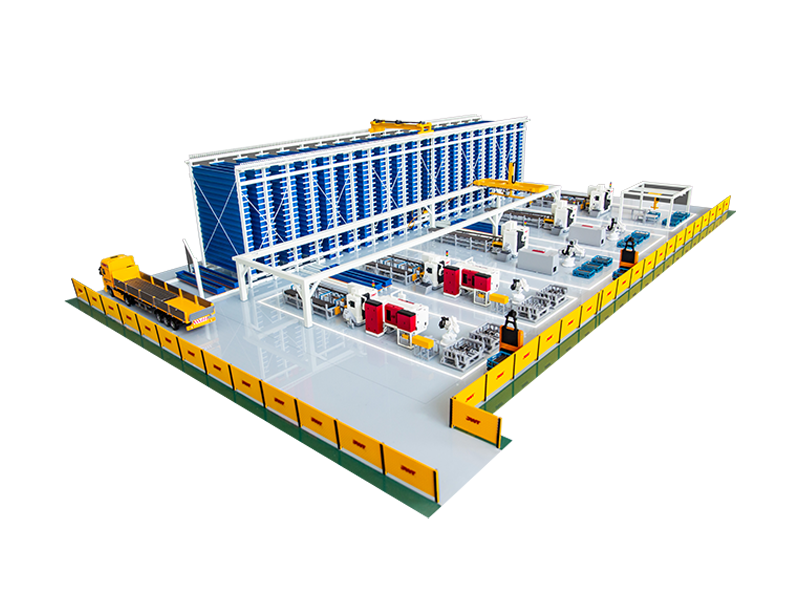
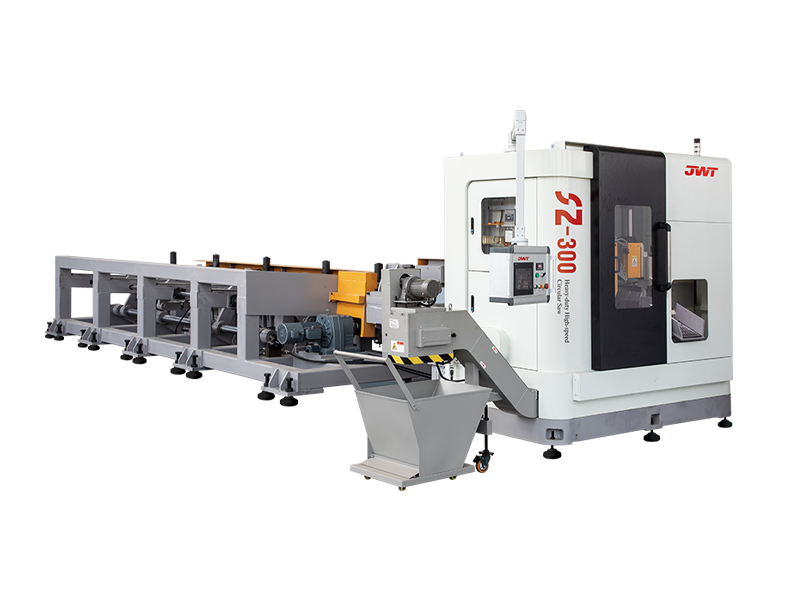
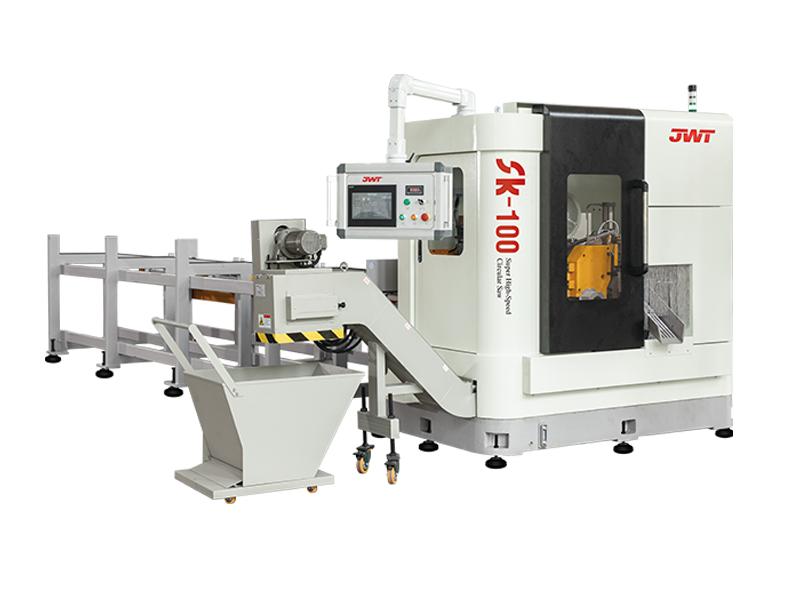
GIỚI THIỆU
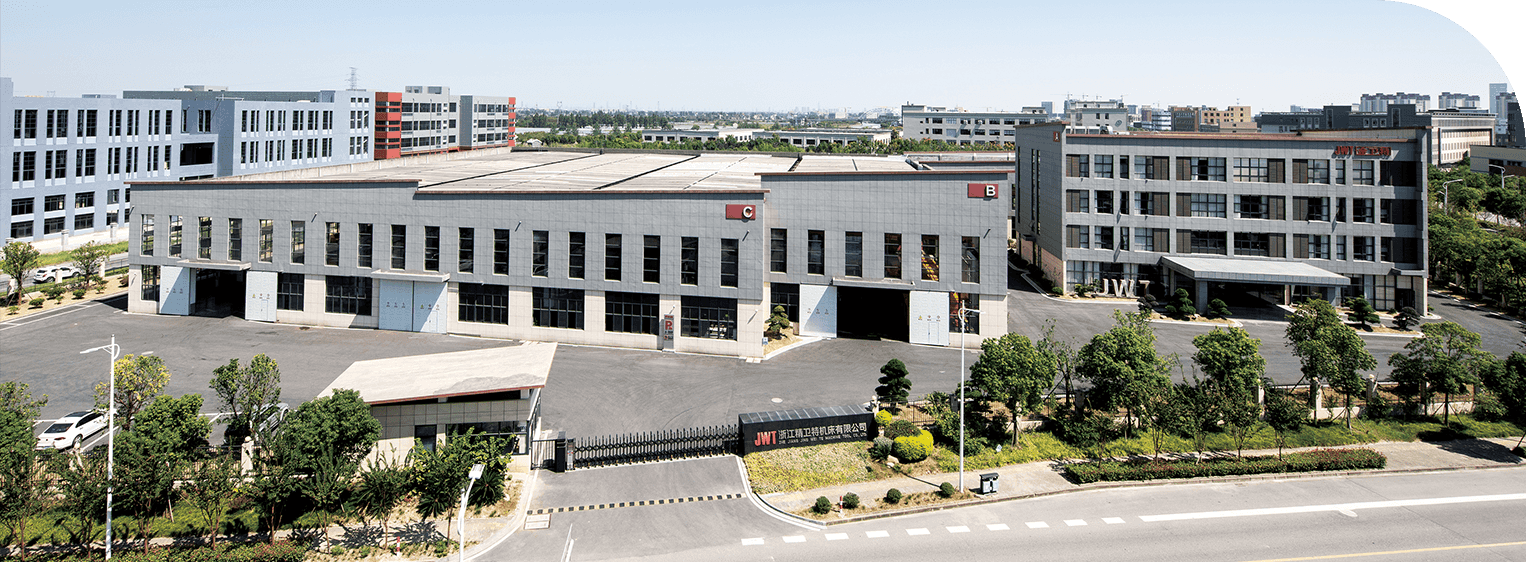
CHIẾT GIANG JINGWEITE
CÔNG TY TNHH MÁY CÔNG CỤ
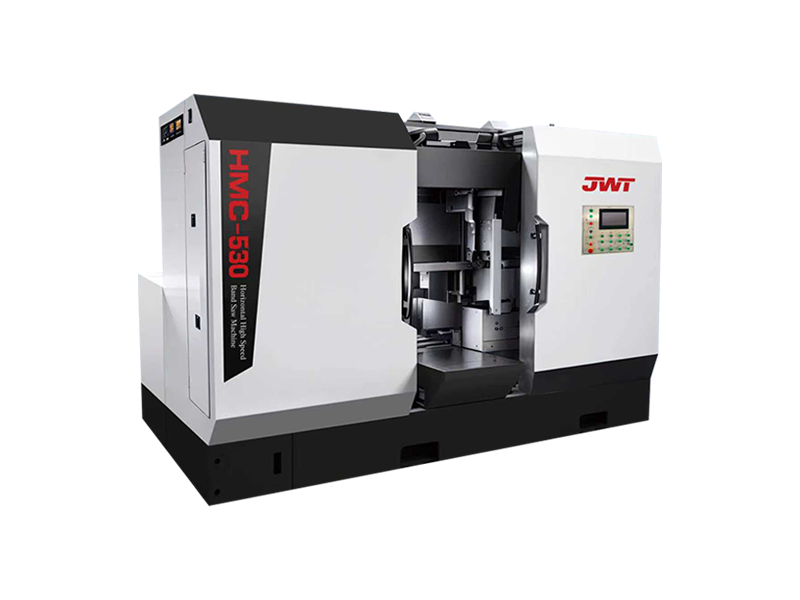
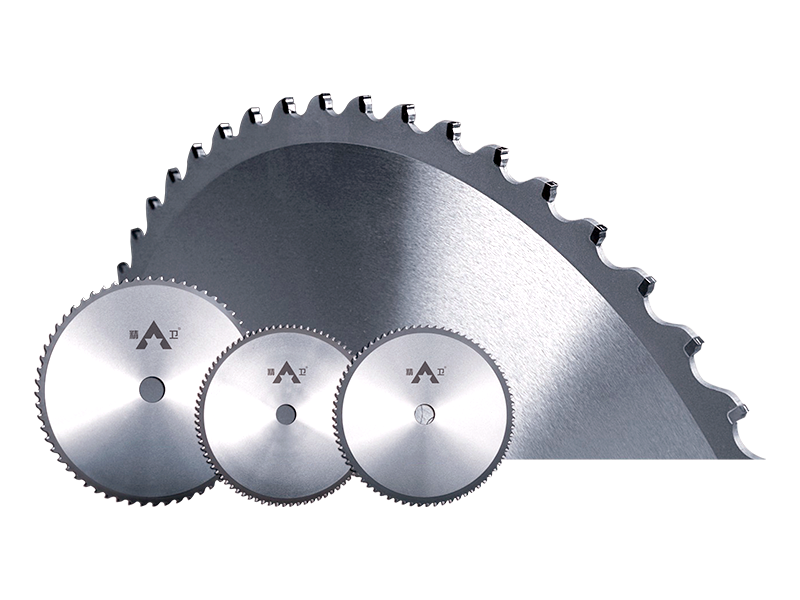
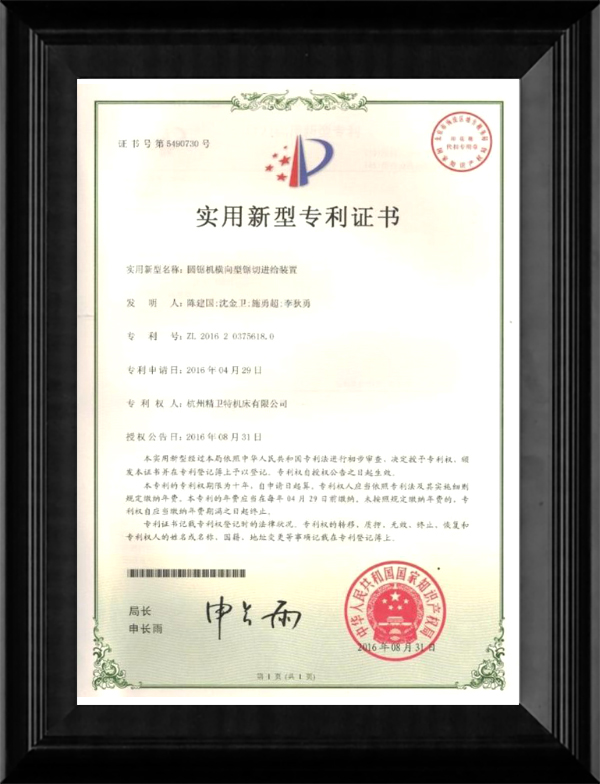
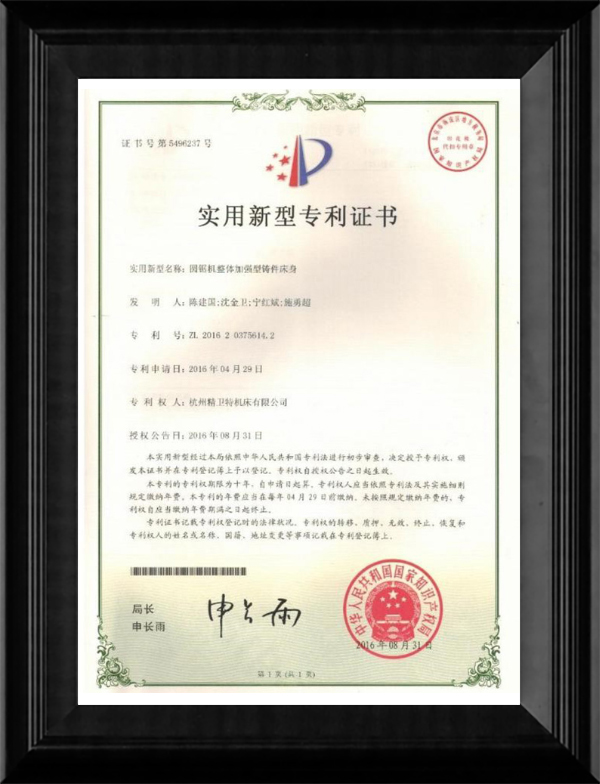
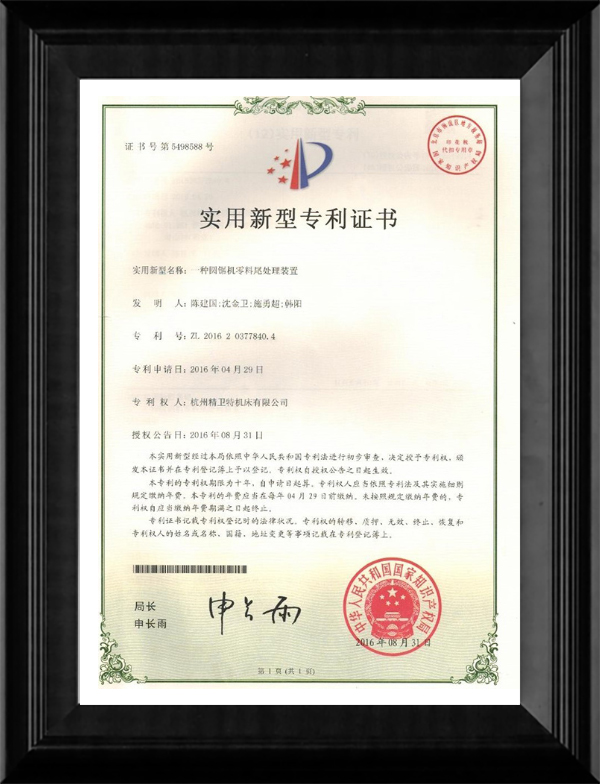
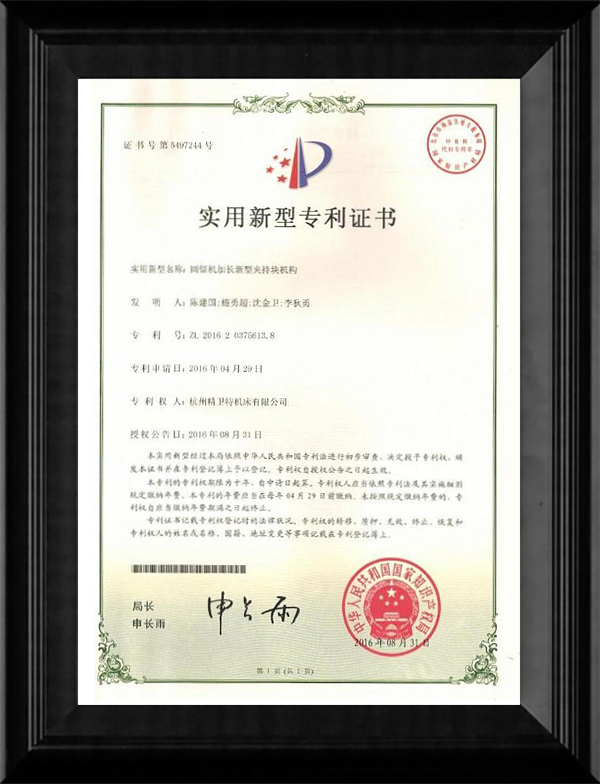
Chiết Giang Jingweite Machine Tool là một doanh nghiệp tích hợp công nghiệp và thương mại, tập trung vào thiết kế và sản xuất các giải pháp cho ngành công nghiệp cắt và gia công kim loại. Các thành viên nòng cốt của đội ngũ quản lý có hơn chục năm kinh nghiệm trong ngành và có kinh nghiệm lý thuyết và thực tiễn phong phú. Nó cũng đã tập hợp và đào tạo nội bộ một đội ngũ chuyên gia có kinh nghiệm phong phú về nghiên cứu cơ bản, thiết kế và ứng dụng, sản xuất quy trình, tự động hóa công nghiệp, kiểm tra và thử nghiệm trong lĩnh vực thiết bị cắt. Đội ngũ trung tâm R&D tích cực đổi mới và thiết lập quan hệ đối tác chiến lược lâu dài với các trường đại học nổi tiếng trong nước và các chuyên gia kỹ thuật tiên tiến đến từ Nhật Bản và Đức. Nó đã nhận được 21 bằng sáng chế và 72 bằng sáng chế mô hình tiện ích. Nó đã được đánh giá là một doanh nghiệp công nghệ cao quốc gia. Đây là đơn vị duy nhất được đặc biệt mời tham gia xây dựng tiêu chuẩn ngành và được trao Giải thưởng có đóng góp xuất sắc. Công ty chủ yếu xuất khẩu sang nhiều nước và khách hàng hợp tác của họ bao gồm nhiều công ty Fortune 500 và đã trở thành nhà cung cấp quan trọng trong lĩnh vực rèn, vòng bi và các ngành công nghiệp khác. Chúng tôi chủ yếu sản xuất máy cưa đĩa kim loại tốc độ cao, siêu tốc và hỗ trợ các kết nối tự động tùy chỉnh.
CHỨNG NHẬN DANH DỰ
GIẤY CHỨNG NHẬN

CẬP NHẬT MỚI NHẤT
TIN TỨC LÀ GÌ
-
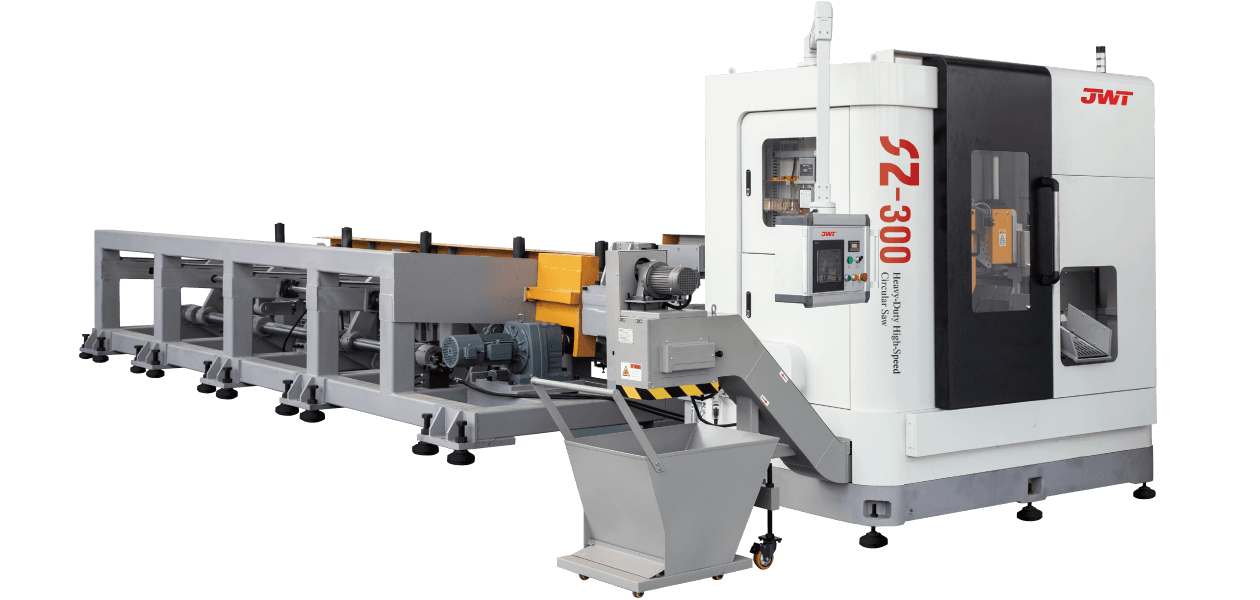 Hướng dẫn mua máy cưa công nghiệp hạng nặng: Thông số kỹ thuật chính, chi phí và tự động hóaHãy hình dung một xưởng rèn đang chạy được nửa chặng đường các thanh 42CrMo. Máy cưa hạng nặng là cửa ngõ đầu tiên tron...
 -
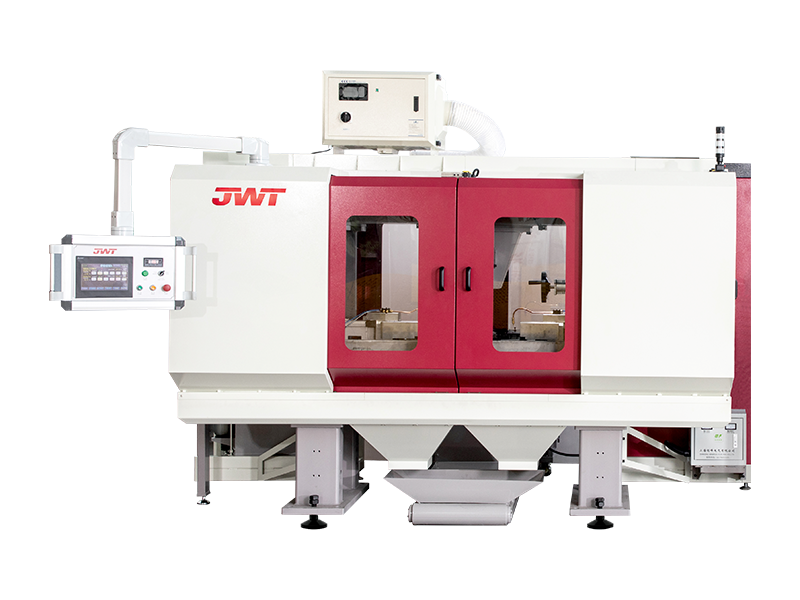 Cách chọn công cụ máy cưa đĩa: Hướng dẫn thực hành để cắt kim loạiDây chuyền rèn của bạn chạy trên phôi thép. Nếu máy cưa tạo ra những phôi đó là bước chậm nhất trong dây chuyền thì mọi...
 -
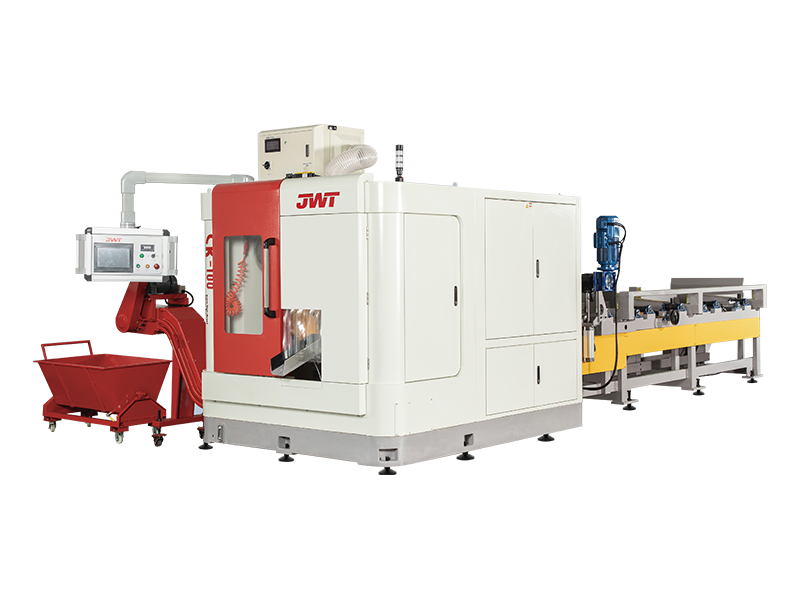 Máy cưa đĩa tự động để cắt kim loại: Hướng dẫn đầy đủ cho người muaĐi qua một xưởng rèn chạy ba ca, rất dễ nhận ra nút cổ chai. Máy ép tiếp tục chuyển động, lò nung vẫn nóng nhưng bàn cư...
 -
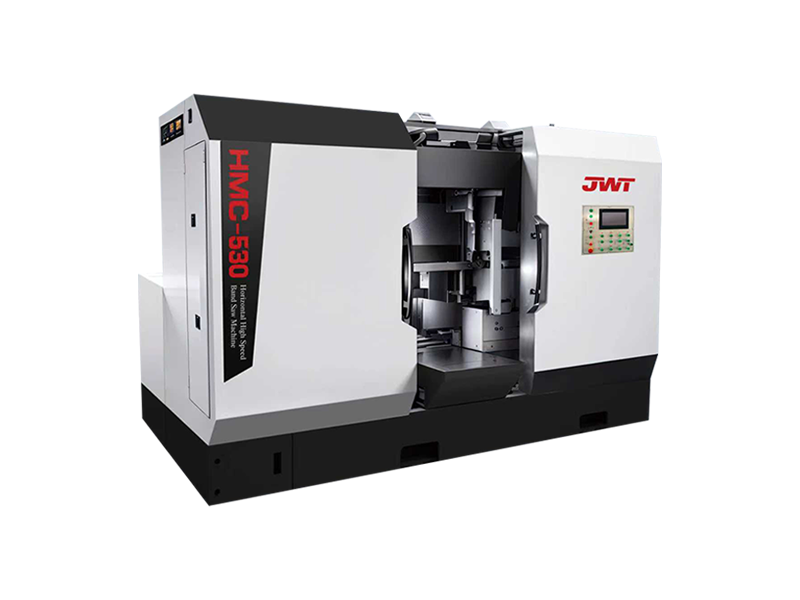 Máy cưa vòng tốc độ cao nằm ngang: Nó là gì và tại sao các cửa hàng kim loại lại yêu thích nóMáy cưa vòng tốc độ cao nằm ngang là gì? Máy cưa vòng tốc độ cao nằm ngang là một công cụ cắt kim loại được thiết kế để...
 -
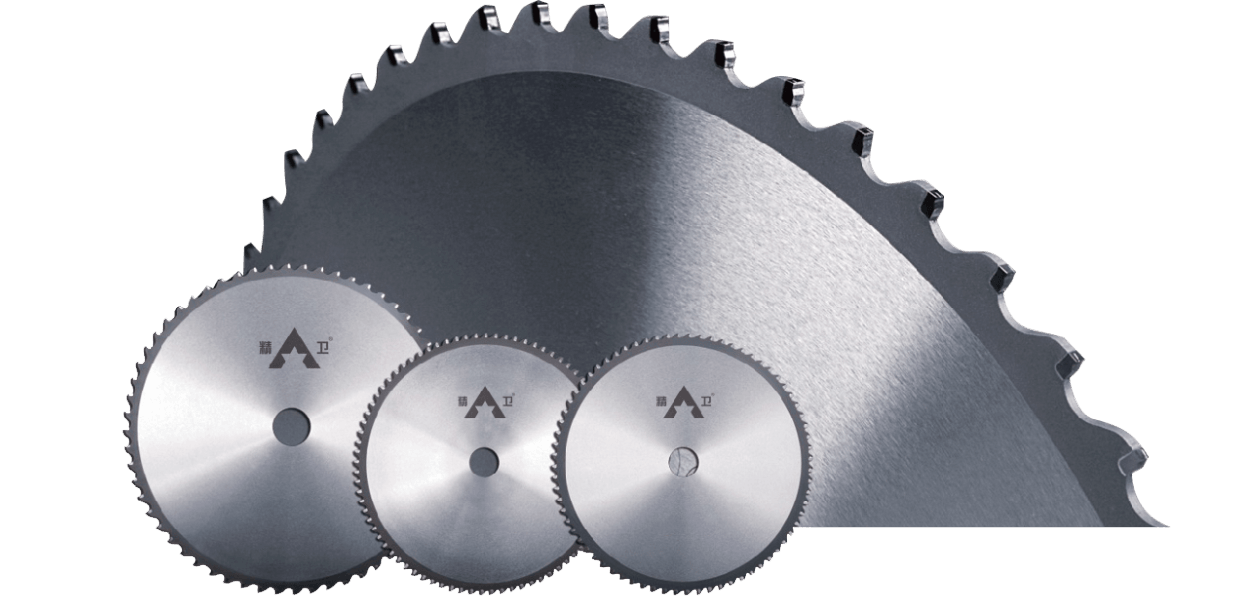 Cách chọn đúng máy công cụ Lưỡi cưa đặc biệt để cắt sạch hơn, bền hơnLưỡi cưa đặc biệt của máy công cụ là gì và tại sao chúng quan trọng Lưỡi cưa đặc biệt của máy công cụ là các công cụ cắ...
CÔNG NGHIỆP KIẾN THỨC
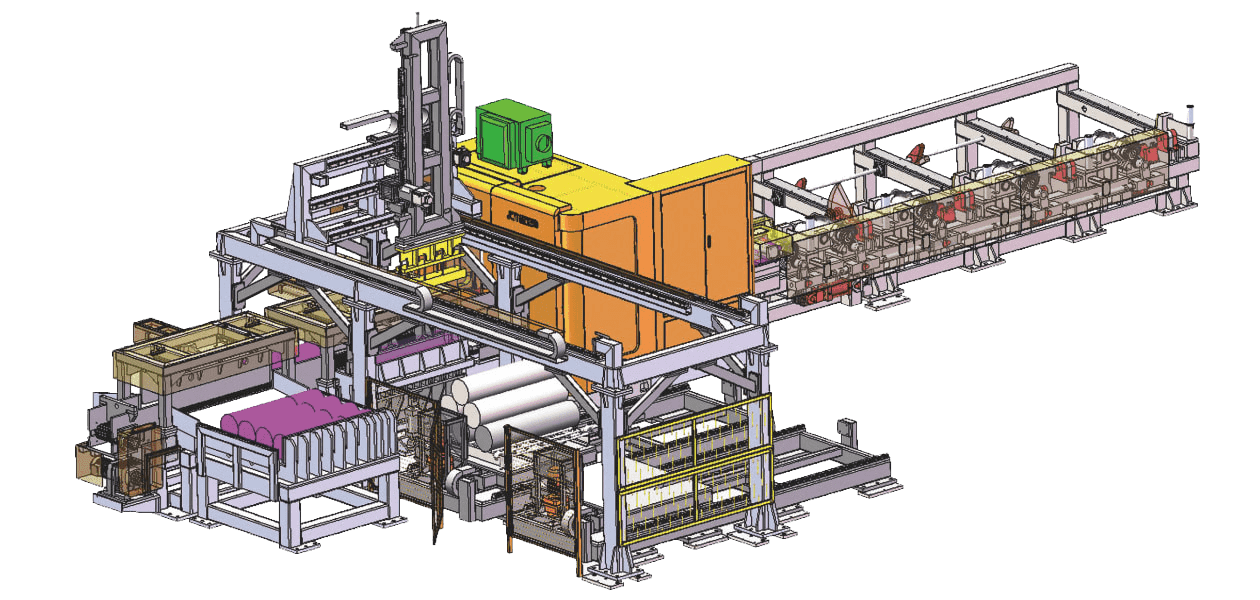
What specific tasks or processes can the automated line perform?
An automated production line can perform a wide range of tasks and processes depending on its design and integration. Here are some specific tasks and processes that an Automated Production Line Demonstration commonly handles:
Material Handling and Loading: Automatically feeding raw materials or components into the production process.
Precision Cutting or Machining: Using robotic arms or CNC (Computer Numerical Control) machines to perform accurate cutting, drilling, milling, or grinding operations.
Assembly and Integration: Automatically assembling components or sub-assemblies using robotic arms, automated screwdrivers, or other assembly tools.
Quality Inspection: Implementing automated vision systems or sensors to inspect parts for defects, dimensions, or other quality criteria.
Testing and Validation: Automatically conducting functional tests or performance checks on finished products.
Packaging and Labeling: Automatically packaging finished products into containers, applying labels, and preparing them for shipping.
Material Sorting and Handling: Sorting finished products based on specified criteria, such as size, shape, or quality.
Material Transport: Using conveyor systems or automated guided vehicles (AGVs) to transport materials or products between different stages of the production line.
Data Collection and Analysis: Integrating with MES (Manufacturing Execution Systems) or ERP (Enterprise Resource Planning) systems to collect data on production metrics, downtime, and quality control.
Maintenance and Diagnostics: Performing automated diagnostics or preventive maintenance tasks to ensure continuous operation and reduce downtime.
Energy Management: Optimizing energy consumption through automated controls and scheduling.
What are the benefits of integrating the automated line with ERP systems?
Integrating an automated production line with ERP (Enterprise Resource Planning) systems offers several significant benefits that contribute to operational efficiency, data accuracy, and overall business effectiveness. Here are the key benefits:
Real-Time Data Integration: ERP integration enables real-time synchronization of production data with other business functions such as inventory management, sales, finance, and procurement. This ensures that all departments have access to the most current information regarding production status, inventory levels, and customer orders.
Improved Production Planning and Scheduling: By accessing real-time data from the ERP system, production planners can make informed decisions regarding scheduling, resource allocation, and production prioritization. This helps in optimizing production schedules to meet customer demand while minimizing lead times and production costs.
Enhanced Inventory Management: Integration with ERP systems provides visibility into raw material inventory levels, work-in-progress (WIP), and finished goods inventory. This visibility helps in maintaining optimal inventory levels, reducing excess inventory carrying costs, and avoiding stockouts.
Streamlined Order Fulfillment: Automated Production Line Demonstration integrated with ERP systems can automatically generate production orders or work orders based on customer demand signals from sales orders. This streamlines the order fulfillment process and ensures that production aligns closely with actual customer demand.
Cost Reduction and Efficiency: By automating data exchange and reducing manual data entry errors, ERP integration minimizes administrative overhead and improves overall operational efficiency. This can lead to cost savings in labor, reduced scrap and rework, and optimized resource utilization.
Decision-Making Support: Access to comprehensive, real-time data through ERP integration enables better decision-making at all levels of the organization. Managers can analyze production performance metrics, identify bottlenecks, and implement continuous improvement initiatives based on data-driven insights.
Scalability and Flexibility: ERP systems are designed to scale with the growth of the business and adapt to changing production requirements. Integrated automated production lines can easily accommodate new product introductions, changes in production volumes, or modifications in production processes without extensive IT reconfiguration.
Nếu bạn quan tâm đến Máy cưa đĩa hoặc dây chuyền sản xuất của chúng tôi, vui lòng liên hệ với chúng tôi
CHI TIẾT LIÊN HỆ
Zhejiang Jingweite Machine Tool Co.,Ltd.
- Số 661 Đường Jiyi, Khu công nghiệp công nghệ cao Wanghai, Haiyan, Thành phố Gia Hưng, tỉnh Chiết Giang
- TEL:+86-0573-86035661
- E-Mail: [email protected]
Sản phẩm
Liên kết nhanh
Tin tức
Thiết bị đầu cuối di động
